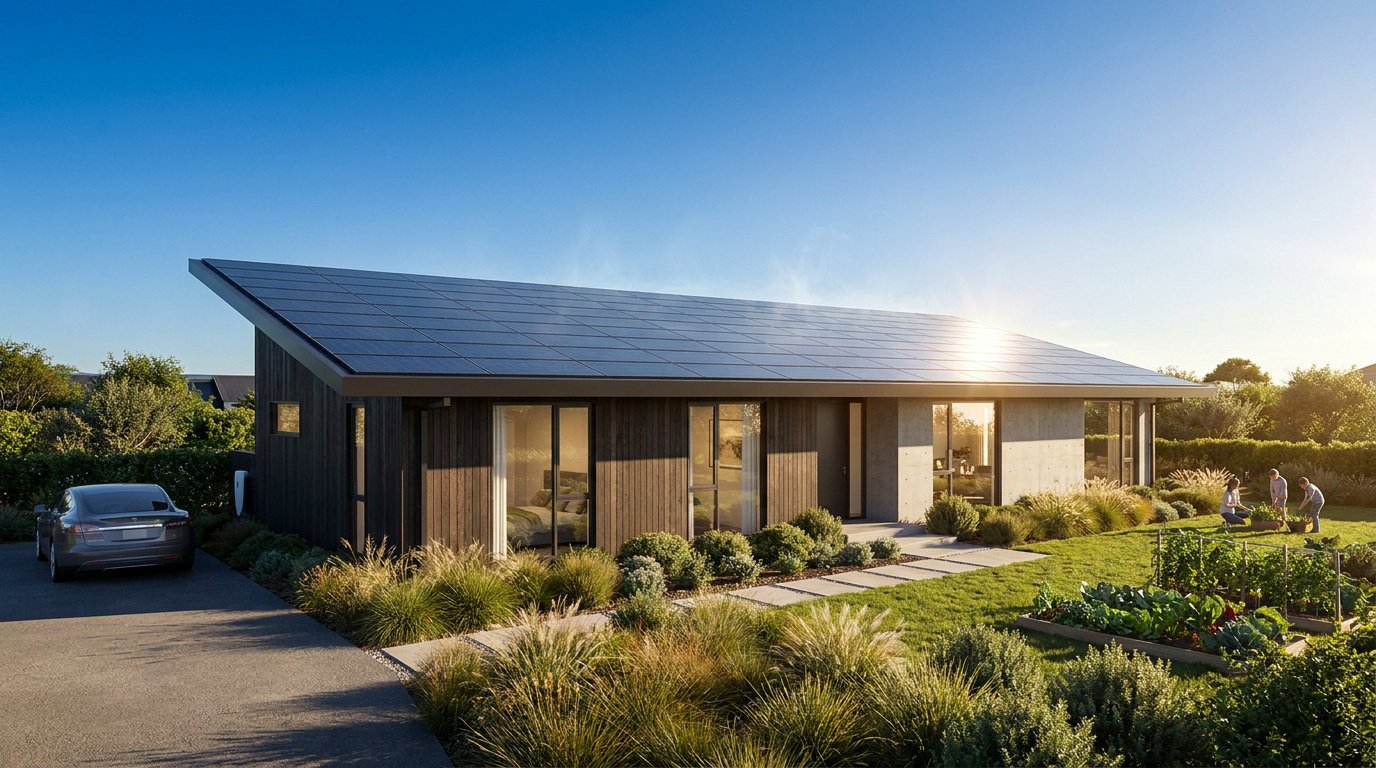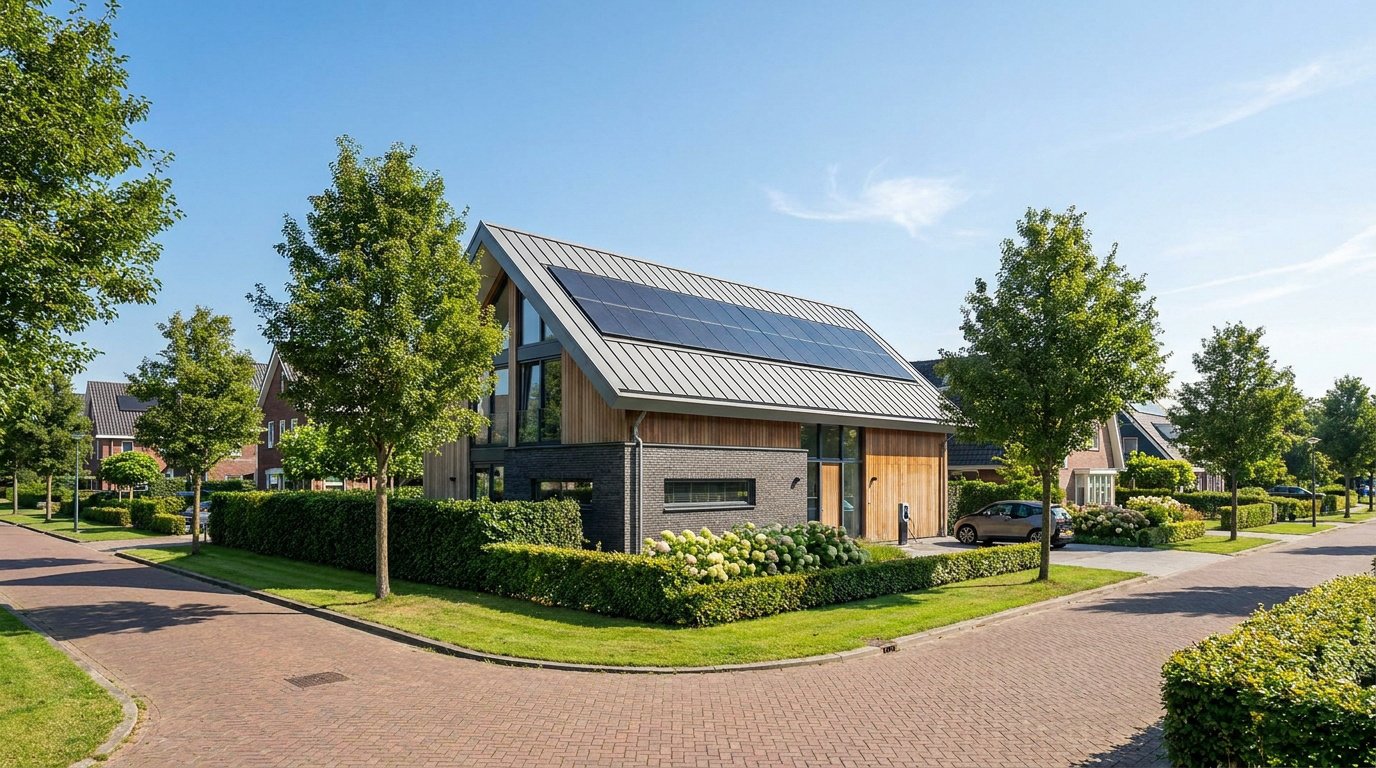
Dëse Guide ass fir jiddereen, deen bei Null ufänkt. Hien erkläert, wéi eng Photovoltaikanlag funktionéiert, wéi Dir se no Ärem tatsächleche Verbrauch dimensionéiert, a no wéi enge Critèren Dir en Installateur eraussicht. Hien nennt bewosst kee Betrag vun enger Bäihëllef: dës Hëllefen änneren sech mat der Zäit a si vu Land zu Land a vu Regioun zu Regioun verschidden; e puer goufen ofgeschaaft, bei aneren hunn de Saz oder d'Konditioune geännert. Iwwerpréift, ier Dir ënnerschreift, wéi eng Regelung gëllt, op der offizieller Websäit vun Ärer Regioun oder Ärem Land: energie.wallonie.be, vlaanderen.be, environnement.brussels, rijksoverheid.nl oder guichet.lu. Wat Iech als éischt ugeet, ass d'Produktioun, déi Äert Daach wierklech liwwere kann.
An den Nidderlanden setzt d'Klimaofkommes (Klimaatakkoord) fir 2030 en Zil vu 35 Terawattstonnen erneierbare Stroum, deen um Land produzéiert gëtt, duerch Wandenergie um Land a Solaranlage vu méi wéi 15 kWp. Kleng Anlagen op den Diech vu Privatleit zielen am Prinzip net fir dëst Zil. Vläicht denkt Dir drun, Solarmoduler ze installéieren, mä d'Reegelen änneren sech séier, virun allem duerch d'Enn vun der Kompensatioun (salderingsregeling) an den Nidderlanden den 1. Januar 2027.
Är Solaranlagen an der Benelux 2026 auszewielen, verlaangt e genaut Verständnis vun den neien Injektiounsreegelen a vun der technescher Dimensionéierung. Dëse Guide begleet Iech, fir Ären Eegeverbrauch ze optiméieren an en Installateur ze wielen, an der Belsch ee mat RESCert-Zertifizéierung, fir eng iwwerluecht Wiel ze treffen.
Solaranlagen an der Benelux 2026: technesch Funktionsweis
Eng Photovoltaikanlag baut op Zellen op, déi d'Strahlung a Gläichstroum ëmwandelen, dee duerno vun engem Onduleur transforméiert gëtt. D'Produktioun hänkt ënner anerem vun der Ausriichtung, der Neigung an der Verschattung vum Daach of.
De Wiessel op propper Energie verlaangt ze verstoen, wéi Äert Daach zu enger richteger Stroumzentral doheem gëtt.
D'Roll vun de photovoltaesche Zellen a vum Onduleur
D'Zellen aus Silizium fänken d'Photonen aus der Sonnestrahlung op a setzen esou Elektronen fräi. Dës physesch Beweegung erzeecht direkt e Gläichstroum an Äre Modulen. Dat ass de Grondprinzip vun all Photovoltaikanlag.
Den Onduleur spillt duerno eng zentral Roll an Ärer Anlag. Hie wandelt dëse Gläichstroum a Wiesselstroum ëm, dee mam Netz kompatibel ass. Dëse Stroum kënnt dann direkt an Är Haaptstroumkëscht. Esou versuergt Dir Är Haushaltsapparater ouni Effort.
Wann Äert Haus an enger vun de 248 wallounesche Gemengen steet, déi mir ofdecken, kënnt Dir eise Simulateur online notzen. Dëst Outil hëlleft Iech, Äre Projet ze visualiséieren. Et erliichtert Är éischt Schrëtt an d'Transitioun ganz staark.
Den Afloss vun der Ausriichtung a vun der Verschattung op d'Produktioun
Op eise Breedegraden gëtt eng Ausriichtung direkt no Süden déi héchst Joresproduktioun. Déi gënschtegst Neigung läit tëscht ongeféier 30° a 50°, an e puer Grad Ënnerscheed wiegen op d'Joresproduktioun wéineg.
De Schied vun enger Schasseminni, engem Bam oder engem Gebai an der Noperschaft reduzéiert d'Produktioun: bei kristalline Moduler kann de Schied op enger eenzeger Zell d'Produktioun vun enger ganzer Grupp vun Zellen am Modul erofsetzen, also e Verloscht, dee vill méi grouss ass wéi déi verschatte Fläch. Dës Schiedquelle musse virun all Montage vun de Moduler identifizéiert ginn.
Op engem Daach mat deelweiser Verschattung (Schasseminnien, Beem) suergen Mikro-Onduleuren dofir, datt all Modul onofhängeg produzéiert.
Bei komplexen Diech (méi Ausriichtungen, verschatte Moduler) gëtt et verschidde Léisungen: en Onduleur mat méi Agäng (Multistring), Leeschtungsoptimiséierer oder Mikro-Onduleuren. Mat Mikro-Onduleuren huet de Schied op engem Modul keen Afloss op d'Produktioun vun den aneren, mä dës Apparater bréngen Méikäschte mat sech. Freet den Installateur, d'Optiounen ze vergläichen, op Basis vun enger Verschattungsstudie.
Wéi dimensionéiert Dir Är Anlag no Äre Besoinen?
Nodeems Dir d'Technik verstanen hutt, musst Dir elo déi ideal Gréisst vun Ärem zukünftege System festleeën, fir Äre reelle Stroumverbrauch ofzedecken.
Äre Joresverbrauch a Kilowattstonnen aschätzen
Huelt Är Rechnunge vun de leschten zwee Joer erfir. Rechent Ären duerchschnëttleche Joresverbrauch a Kilowattstonnen aus. Dës Zuel ass déi onverzichtbar Basis, fir déi néideg Gesamtleeschtung festzeleeën.
Denkt och un Är zukünfteg Besoinen un Energie. Eng Wärmepompel (wann se eng Gas- oder Mazoutsheizung ersetzt) an en Elektroauto, deen Dir doheem oplued, hiewen Äre Stroumverbrauch un: wann Dir der plangt, kann et sënnvoll sinn, e puer Moduler méi virzegesinn.
Passt d'Zuel vun de photovoltaesche Moduler entspriechend un. D'Zil ass, Är Besoinen ofzedecken, ouni onnéideg ze grouss ze bauen. Eng genau Etüd suergt fir eng kohärent Investitioun op laang Siicht.
Déi europäesch PVGIS-Donnéeë fir Är Estimatioune notzen
Dat europäescht Outil PVGIS baut op historesch Wiederdonnéeën op. Et schätzt d'Sonnestrahlung fir de gewielte Standuert (Adress, Klick op d'Kaart oder Koordinaten), op Basis vu Satellittendonnéeë mat engem Raster vu ronn 5 km. Et ass e gratis Outil, fräi zougänglech an ouni Umeldung.
PVGIS ass en Outil vun der Europäescher Kommissioun, entwéckelt vun hirer Gemeinsamer Fuerschungsstell. D'Resultater sinn duerchschnëttlech Schätzunge fir de gewielte Standuert.
Dir kritt eng Schätzung vun der duerchschnëttlecher Produktioun, Mount fir Mount. Dës Berechnungen enthalen och déi technesch Verloschter duerch d'Ëmgebungstemperatur. D'Resultater kënnen als PDF oder CSV erofgeluede ginn.
Fir Äre Projet ze verfeineren, kuckt eis spezifesch Guiden fir d'Belsch a fir Lëtzebuerg. Dës Ressourcen hëllefen Iech, Är Anlag rouheg ofzeschléissen.
Eegeverbrauch oder Injektioun: wéi ee Modell wielen?
Soubal d'Leeschtung festläit, musst Dir entscheeden, wéi Dir all Elektron notzt, deen Är Moduler erzeegen.
De Prinzip vum direkten Eegeverbrauch fir Är Erspuernisser
Eegeverbrauch heescht, Äre Stroum direkt ze notzen. Dir kaaft manner Energie bei Ärem Fournisseur. Wou d'Kompensatioun opgehalen huet, ass et méi avantagéis, de Stroum ze verbrauchen, wann Är Moduler e produzéieren, wéi en an d'Netz ze injizéieren a spéider erëm Stroum bei Ärem Fournisseur ze kafen (an den Nidderlanden gëllt d'Saldering nach bis den 31. Dezember 2026).
All Kilowattstonn, déi Dir verbraucht, wann Är Moduler se produzéieren, ass eng Kilowattstonn, déi Dir net bei Ärem Fournisseur kaaft: dësen Deel vun Ärem Verbrauch entgeet de Präisschwankungen. De Stroum, deen Dir aus dem Netz bezitt, bleift hinnen awer ausgesat. D'Erspuernis hänkt vun Ärem Verbrauchsprofil a vum Präis vun der Anlag of.
- Prioritéit fir den direkten Asaz
- Manner Ofhängegkeet vum Netz
- Keng verbrauchsofhängeg Netzkäschten (Verdeelung an Transport) op dem Stroum, deen Dir verbraucht, wann e produzéiert gëtt, well en net aus dem Netz bezu gëtt. An der Wallonie bezilt eng Anlag, déi nach vun der Kompensatioun profitéiert a weder e Compteur, deen Bezuch an Injektioun getrennt mësst, nach e kommunizéierende Compteur huet, awer e forfaitären Prosumer-Tarif, deen no hirer Leeschtung berechent gëtt
D'Entwécklung vun den Ofkafspräisser fir den injizéierte Stroum
Ouni Batterie gëtt deen Deel vun der Produktioun, deen net direkt verbraucht gëtt, an d'Netz injizéiert. An der Belsch an an den Nidderlanden gëtt dësen Iwwerschoss vun engem Stroumfournisseur bezuelt, no de Konditioune vum Kontrakt, deen Dir mat him ofschléisst. An der Belsch schléisst Dir dofir en Injektiounskontrakt mam Fournisseur vun Ärer Wiel of (zu Bréissel kafen e puer Fournisseuren d'Injektioun automatesch; kontrolléiert Äre Kontrakt). An der Wallonie kritt eng Anlag, déi nach vun der Kompensatioun profitéiert, standardméisseg keng Vergütung fir den injizéierten Iwwerschoss. Zu Lëtzebuerg gëtt fir den Injektiounstarif e Kontrakt mam Netzbedreiwer ofgeschloss, deen en och bezilt. Dës Vergütung steet awer ënner Drock: a Flandern beschreift déi regional Autoritéit se als réckleefeg an heiansdo negativ; zu Lëtzebuerg ginn déi garantéiert Injektiounstarifer fir nei Anlagen all Joer erof; an den Nidderlanden muss de Fournisseur nom Enn vun der Saldering den 1. Januar 2027 bis den 1. Januar 2030 just op d'mannst 50 % vum Liwwertarif ouni Taxen (kale leveringstarief) bezuelen; doriwwer eraus dierf hien Käschte fir d'Réckliwwerung (terugleverkosten) verrechnen.
Verkafen ass dacks manner rentabel wéi selwer ze verbrauchen. Vergläicht an der Belsch an an den Nidderlanden d'Ofkafskonditioune vun de Fournisseure genau. Dëse Verglach zielt fir Är Rentabilitéit 2026. Kuckt och d'Reegelen an den Nidderlanden, fir de Gesetzesännerungen ee Schrëtt viraus ze sinn.
An den Nidderlanden hält d'Kompensatioun (saldering) den 1. Januar 2027 op. An der Belsch bezilt de Fournisseur, wou d'Kompensatioun opgehalen huet, den injizéierte Stroum zu sengem eegenen Injektiounstarif, no Ärem Kontrakt: dësen Tarif deckt nëmmen d'Energie, ouni d'Netzkäschten an d'Taxen, déi Dir op Stroum aus dem Netz bezuelt. Injizéierte Stroum bréngt also manner, wéi Stroum aus dem Netz kascht. An der Wallonie bleiwen Anlage vu maximal 10 kW, déi virum 1. Januar 2024 a Betrib geholl goufen, bis den 31. Dezember 2030 an der Kompensatioun.
Firwat Späicherung an d'Steierung vum Verbrauch a Betruecht zéien
Wou d'Kompensatioun opgehalen huet, bréngt injizéierte Stroum manner, wéi Stroum aus dem Netz kascht. Eng Heembatterie kann dann den Undeel erhéijen, deen Dir selwer verbraucht; ob se sech lount, hänkt vun Ärem Verbrauchsprofil a vun hirem Präis of.
D'Enn vun de Kompensatiounsmechanismen an den Ëmschwong op Batterien
D'Enn vun der Kompensatioun ännert vill, mat eegene Reegele fir all Regioun oder Land. Zu Bréissel ass se zanter November 2021 komplett ofgeschaaft. An der Wallonie gëllt se net méi fir Anlagen, déi ab dem 1. Januar 2024 a Betrib geholl goufen, a si hält den 31. Dezember 2030 fir eeler Anlage vu maximal 10 kW op. A Flandern registréiert den digitale Compteur, deen fir Proprietäre vu Solarmoduler obligatoresch ass, Injektioun a Bezuch getrennt; wann Ären digitale Compteur ab dem 1. Abrëll 2026 installéiert gouf, gëtt de Produktiounsiwwerschoss, deen um ale Compteur opgelaf ass, dee réckwäerts gedréint huet, net méi kompenséiert. An den Nidderlanden hält d'salderingsregeling den 1. Januar 2027 op. Wou d'Kompensatioun opgehalen huet, kënnt Dir d'Netz net méi als gratis Späicher notzen: de Stroum, deen Dir injizéiert, an de Stroum, deen Dir bezitt, gi getrennt gezielt, an eng Kilowattstonn, déi Dir mëttes injizéiert, kompenséiert net méi déi, déi Dir owes bezitt.
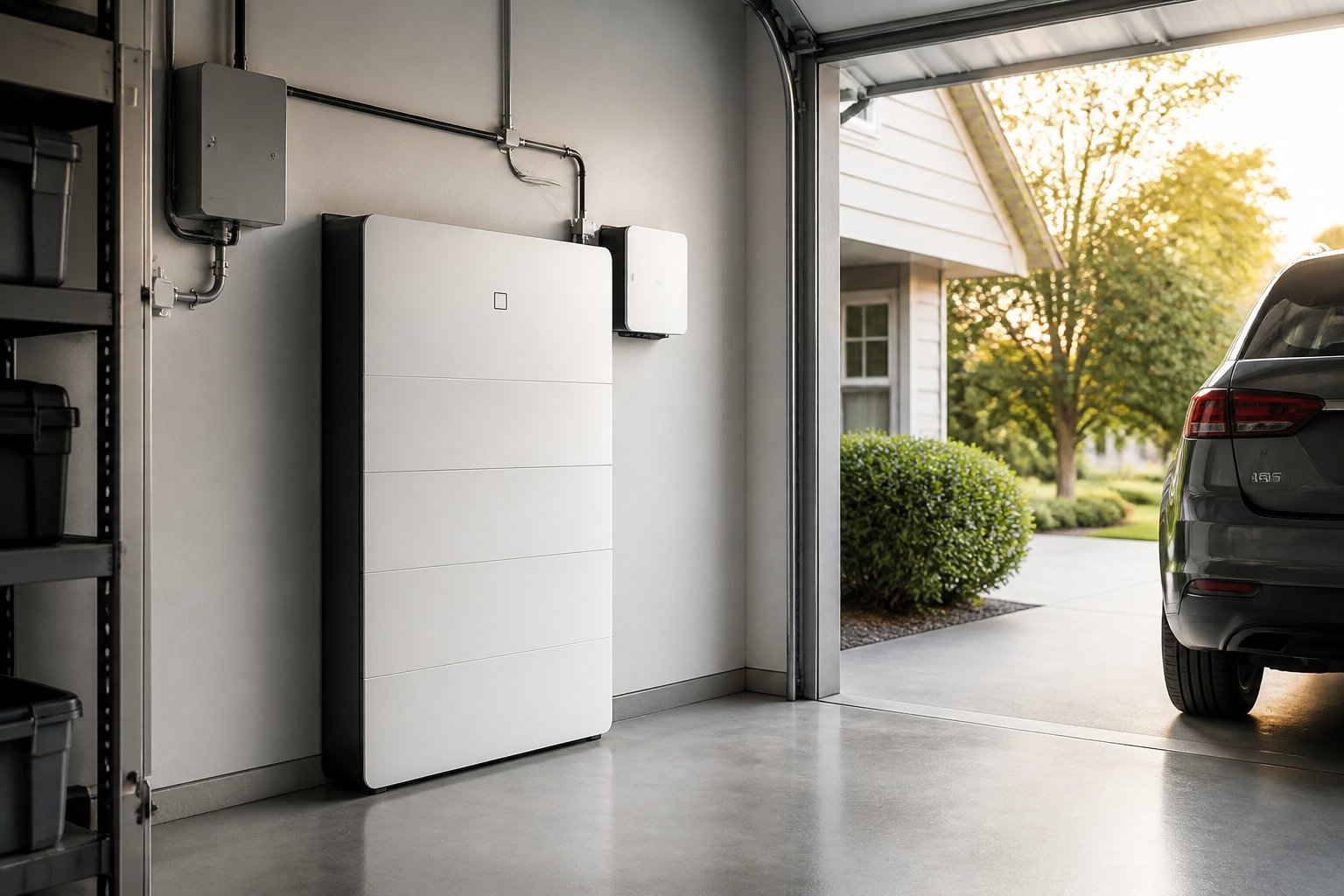
Mat enger Heembatterie behaalt Dir d'Energie, déi mëttes produzéiert gëtt. Dir notzt se dann owes, wann d'Sonn ënner ass. Dat kann Ären Taux vum Eegeverbrauch däitlech erhéijen. Eng Batterie ass awer eng zousätzlech Käscht, déi mat der Kapazitéit klëmmt: vergläicht dës Käscht mat den erwaarten Erspuernisser, ier Dir investéiert.
| Critère | Ouni Batterie | Mat Batterie | Effekt vun der Batterie |
|---|---|---|---|
| Taux vum Eegeverbrauch | Deelweis (am Duerchschnëtt 28 % a Flandern laut Vlaanderen.be; 40,26 % no der forfaitärer Hypothees, déi d'CWaPE fir de Prosumer-Tarif 2024-2029 an der Wallonie zréckbehalen huet) | Méi héich, je no Kapazitéit vun der Batterie an Ärem Verbrauch | Méi héijen Undeel Eegeverbrauch |
| Ofhängegkeet vum Netz | Ganz staark | Reduzéiert | Méi Autonomie |
| Notzung an der Nuecht | Keng | Deelweis, am Kader vun der Energie, déi am Laf vum Dag gespäichert gouf (ass d'Batterie eidel, kënnt de Stroum aus dem Netz) | Manner kaafte Stroum owes |
| Valoriséierung vum Iwwerschoss | Einfach Injektioun | Lokal Späicherung | Manner injizéierten Iwwerschoss |
Intelligent Steierung vun den Apparater fir Är eege Produktioun ze verbrauchen
Intelligent Gestiounssystemer kënnen Är grouss Verbraucher steieren, zum Beispill d'Spullmaschinn oder de Waarmwaasserboiler starten, wann Är Moduler produzéieren. Esou verbraucht Dir e gréisseren Deel vun Ärer eegener Produktioun.
Och d'Luede vum Elektroauto ka gesteiert ginn: de System passt d'Luedleeschtung un d'Produktioun un, déi op Ärem Daach zur Verfügung steet, an esou klëmmt den Undeel u Solarstroum, deen Dir selwer verbraucht.
- Programméiere vun de Wäschzyklen.
- Steierung vum thermodynamesche Boiler.
- Dynamescht Luede vum Elektroauto.
Critèren fir en zertifizéierten Installateur auszewielen
Fir datt dës technologesch Virdeeler och wierklech kommen, bleift d'Wiel vum Handwierker, deen d'Montage mécht, den entscheedendste Schrëtt vun Ärem Projet.
RESCert ass eng Kompetenzzertifizéierung fir Installateure vu Systemer mat erneierbaren Energien an der Belsch. Fir Photovoltaik ass se an der Wallonie obligatoresch, wou d'Entreprise op d'mannst eng zertifizéiert Persoun muss hunn; zu Bréissel muss eng Anlag vu maximal 5 kWp zanter dem 1. Januar 2026 vun engem Installateur mat RESCert-Zertifizéierung montéiert gi sinn, fir gréng Certificaten ze kréien; a Flandern roden d'Autoritéiten, en Installateur mat RESCert ze huelen.
D'RESCert-Zertifizéierung an der Belsch
An der Belsch ass d'RESCert-Zertifizéierung fir Photovoltaik an der Wallonie obligatoresch: d'Entreprise muss op d'mannst eng zertifizéiert Persoun hunn. Dëse Certificat ass perséinlech: e bestätegt, datt en Techniker eng vun der Regioun unerkannt Formatioun gemaach an en unerkannten Examen bestanen huet. E gëllt 7 Joer an ersetzt net dat opmierksaamt Liese vun der Offert.
Kontrolléiert, ob déi zertifizéiert Persoun vun der Entreprise op der ëffentlecher Lëscht vun den Installateuren steet, déi fir photovoltaesch Solarsystemer zertifizéiert sinn, op rescert.be. Dëse simple Schrëtt hält net zertifizéiert Prestatairen ewech.
An der Wallonie freet de Formulaire UP10, mat deem d'Inbetriebnahm beim Netzbedreiwer gemellt gëtt, zanter dem 1. Juni 2025 den Numm an d'Certificatsnummer vun der zertifizéierter Persoun an der Entreprise. Kontrolléiert dat also, ier Dir ënnerschreift.
Wourop Dir bei enger technescher Offert oppasse musst
Kontrolléiert, ob der Offert d'Garantiecertificater vum Hiersteller fir d'Moduler an den Onduleur an eng Schätzung vun der erwaarter Produktioun a kWh pro Joer bäilien, och no 25 Joer Betrib. An der Wallonie gesäit de Mustervertrag fir Photovoltaikanlage vum SPW Énergie (Versioun 4 vum 24. Abrëll 2019, deen ugeroden, mä net obligatoresch ass) dës zwee Elementer am Cahier des charges vir, deen zesumme mat der Offert ofginn gëtt. Eng ze kuerz Offert kann Lücke verstoppen.
Freet no der Referenz vun der Zivilhaftpflichtversécherung vum Installateur. Dës Versécherung ergänzt Är aner Recoursen, ouni se z'ersetzen: déi gesetzlech Konformitéitsgarantie, d'Garantien vum Hiersteller op d'Moduler an den Onduleur, an d'Garantien vum Installateur am Kontrakt. An der Belsch ass déi zéngjäreg Versécherung nëmme fir Aarbechten un enger Wunneng obligatoresch, fir déi en Architekt néideg ass: freet den Installateur, ob Äre Chantier dorënner fält.
Kontrolléiert, wat den Devis bis zur Inbetriebnahm ofdeckt: d'Schrëtt beim Netzbedreiwer, eng eventuell Upassung vum Uschloss (zum Beispill de Wiessel op Dräiphasestroum) an, an der Belsch, d'Konformitéitskontroll vun der elektrescher Installatioun duerch en unerkannten Organismus. An der Wallonie ass d'Installatioun vum kommunizéierende Compteur gratis, mä eng Ännerung vum Uschloss, oder eng Virstudie, déi den Netzbedreiwer iwwer 5 kVA verlaange kann, kann Käschte mat sech bréngen. Ënnerschreift näischt ouni voll Klorheet.
D'Wichtegkeet vun der Maintenance a vum Suivi vun der Produktioun
Op engem schréien Daach iwwerhëlt de Reen e groussen Deel vun der Botz. Eng Botz mat propperem Waasser bleift nëtzlech, wann d'Moduler knaschteg sinn (Blieder, Pollen, Vullendreck) oder bal flaach leien.
Verfollegt virun allem d'Produktioun iwwer den Onduleur oder eng Monitoring-App: bei engem plötzlechen oder däitlechen Aboch sollt Dir d'Anlag vun engem Fachmann kontrolléiere loossen.
Plangt de Besuch vun engem Technicien an, fir den Zoustand vum Onduleur ze kontrolléieren. Dëst elektronescht Bauteil verschläisst méi séier wéi d'Moduler selwer. Eng preventiv Maintenance hëlleft, d'Liewensdauer vun Ärer Investitioun an d'Sonnenenergie ze verlängeren.
Wou d'Kompensatioun opgehalen huet, ass et méi avantagéis, Är Produktioun selwer ze verbrauchen, wéi se an d'Netz ze injizéieren: denkt drun, wann Dir Är Solaranlag dimensionéiert. Loosst Iech zwou oder dräi detailléiert Offeren erstellen, an der Belsch vun engem Installateur mat RESCert-Zertifizéierung, a vergläicht se. Wann Äert Haus an enger wallounescher Gemeng steet, déi eise Simulateur ofdeckt, vergläicht se och mat senger Schätzung.
Wat Äert Daach produzéiere kann, a wat et kascht
Besser wéi eng allgemeng Spanne ass eng Estimatioun fir Är Adress. Fir eng Adress an der Wallonie geet eise Simulateur vun der Neigung, der Ausriichtung an der erwaarter Produktioun vun all Daachfläch aus, esou wéi de Service public de Wallonie se publizéiert (Cartographie solaire). Hien applizéiert dorop seng eege Hypothesen (Produktiounsverloschter, notzbar Fläch, Verbrauchsprofil, Präis vum Material an der Montage), fir d'Joresproduktioun, den Eegeverbrauch an eng Gréisstenuerdnung beim Präis ze schätzen. Dat typescht meteorologescht Joer vu PVGIS (Europäesch Kommissioun, Gemeinsam Fuerschungsstell) déngt nëmmen dozou, dës Produktioun op d'Stonnen ze verdeelen, an déi wichtegst Quellen an Hypothese vun der Berechnung ginn ënner dem Resultat ugewisen. De Simulateur deckt 248 wallounesch Gemengen of. Hien deckt keng Adressen zu Bréissel, a Flandern, an den Nidderlanden oder zu Lëtzebuerg of, an och net an e puer wallounesche Gemengen (dorënner Malmedy, Enghien a Comines-Warneton): fir eng Adress soss anzwousch, freet en Devis un. Bei den Installateuren: kontrolléiert an der Belsch, ob déi zertifizéiert Persoun vun der Entreprise op der ëffentlecher Lëscht vun den RESCert-zertifizéierten Installateure fir photovoltaesch Solarsystemer op rescert.be steet.